
Yvonne Holguin
LPCCNew Mexico · 3 yrs exp
Practical support for stress and recovery
Stress, Anxiety · Addictions · Parenting · Depression · +1 more
Read profileTherapist listings are provided by BetterHelp. We will earn a commission at no extra cost to you if you use our links to buy.
Use this New Mexico listing to compare profiles of professionals who list women's wellbeing among their focus areas. You can review approaches, languages, credentials and experience to identify promising matches.
Browse the profiles below and click through to read each professional's details and confirm whether they can work with you where you live.
New Mexico · 3 yrs exp
Practical support for stress and recovery
Stress, Anxiety · Addictions · Parenting · Depression · +1 more
Read profile
New Mexico · 8 yrs exp
Practical therapy for stress and life change
Stress, Anxiety · Depression · Coping with life changes · LGBT · +5 more
Read profile
New Mexico · 10 yrs exp
Person-focused counselor for trauma and life changes
Stress, Anxiety · Trauma and abuse · Depression · Coping with life changes · +10 more
Read profile
New Mexico · 4 yrs exp
Compassionate therapy for stress and trauma
Stress, Anxiety · Trauma and abuse · Self esteem · Depression · +1 more
Read profile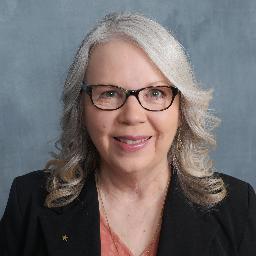
New Mexico · 12 yrs exp
Therapist for women's life challenges
Stress, Anxiety · Family · Trauma and abuse · Parenting · +8 more
Read profile
New Mexico · 10 yrs exp
Compassionate clinician helping women and LGBTQ+ clients
Stress, Anxiety · LGBT · Trauma and abuse · Grief · +6 more
Read profile
New Mexico · 8 yrs exp
Compassionate, culturally aware psychologist
Trauma and abuse · Grief · Self esteem · Stress, Anxiety · +10 more
Read profile
New Mexico · 27 yrs exp
Supportive counselor for women's concerns
Stress, Anxiety · LGBT · Relationship · Grief · +2 more
Read profile
New Mexico · 14 yrs exp
Warm, practical counseling for relationship and women's issues
Stress, Anxiety · Relationship · Family · Intimacy-related issues · +1 more
Read profile
New Mexico · 3 yrs exp
Practical support for anxiety and life change
Stress, Anxiety · LGBT · Self esteem · Coping with life changes · +1 more
Read profile
New Mexico · 9 yrs exp
Practical support for stress and grief
Stress, Anxiety · Relationship · Grief · Self esteem · +1 more
Read profile
New Mexico · 7 yrs exp
Compassionate care for women's life transitions
Stress, Anxiety · LGBT · Relationship · Trauma and abuse · +1 more
Read profileWhen life feels crowded by stress, shifting relationships, body-image concerns, parenting demands or questions about identity, you may start looking for a professional who understands the particular pressures women face. You might want help with practical coping strategies, a clearer sense of priorities, or someone to listen without judgment while you sort through decisions. Whatever brings you here, it's useful to think about the kinds of difficulties you want to address and the qualities you want in a professional - for example an emphasis on emotional regulation, a trauma-informed perspective, or a focus on life transitions. Therapists in this index list a range of focus areas that are relevant to women's wellbeing, but a listed topic is not evidence of a formal certification in that area. Use the profiles to narrow your search by the specific concerns you are bringing, and by the language and style that feel most likely to fit your way of communicating.
New Mexico's communities can include rural and urban settings, cultural traditions, and multilingual households, so you may also want someone who understands cultural context or offers sessions in your preferred language. Profiles indicate the approaches a professional lists among their offerings; these are starting points for the conversations you'll want to have before deciding to work together. If you are in immediate danger at home, call emergency services or the National Domestic Violence Hotline at 1-800-799-7233, or contact local equivalents right away.
Profiles in this directory are grouped under the listed location New Mexico. The listed location does not itself prove an active office or that a professional is authorized to practice in every place. You should open an individual profile and confirm the details there, and ask the professional directly whether they have permission to work with clients where you live. In the United States, clinicians typically hold a state license that permits practice in that state - examples include designations such as LCSW, LPC or LMFT - but degrees such as PhD, PsyD, MD, MA or MSW are academic qualifications that do not by themselves indicate current practice permission. In the United Kingdom, professionals may be registered with a regulator or hold membership in a professional body, and in Australia professionals often show registration or membership with national boards or recognized organizations. Pay attention to how each profile describes credentials, and remember that the directory records what a professional lists; it does not verify license status across regions.
When you read a profile, look for language that explains whether the professional works with clients across state or national lines, and whether they have experience with the issues you care about. If you need a clinician who is authorized to provide care where you live, ask that question early in your conversations. If a profile mentions a therapy approach you are curious about, phrase your inquiry to reflect that profiles only show what a clinician lists - for example, you can ask whether a clinician works with women who list a particular concern or whether they often work with certain life stages.
When you contact a professional, questions that invite concrete answers will help you gauge fit. Ask how they typically work with people who come for the specific concerns you have, and request examples of the kinds of goals they and clients set together. You can inquire whether they list particular approaches among their tools - for instance, therapists who list cognitive-behavioral tools, psychodynamic perspectives or trauma-informed frameworks among their approaches - and ask how those approaches show up in sessions. Rather than assuming a single method, ask how flexible they are when a client's needs change over time.
Experience matters in different ways. You might ask how long they have worked with issues similar to yours, whether they have experience with intersecting concerns such as parenting while managing work stress, or how they support people navigating identity questions. If cultural understanding is important to you, ask about the clinician's familiarity with communities, languages or cultural practices relevant to your life. You can also ask about typical session structure so you know what to expect in your early meetings. Clear, practical questions will give you a better sense of whether a professional's style aligns with how you prefer to work.
If you are considering remote sessions, there are several practical and safety-related topics to cover before you begin. Confirm with the professional whether they are permitted to provide care where you live, and clarify how they handle record-keeping and the platforms they use. Talk about what to do if you experience a mental health crisis between sessions, and ask whether they have local emergency procedures or referral resources in your area. Remember that online talk care is not a replacement for medical, reproductive or legal services - questions about pregnancy, physical symptoms or medication should be directed to a medical provider.
Discussing safety is important, especially if you are in a living situation that feels risky. If you are in immediate danger, call emergency services and, in the United States, you can contact the National Domestic Violence Hotline at 1-800-799-7233 to speak with someone about options. If the professional offers remote sessions, ask how they ensure your wellbeing during a session and what steps they take if they become concerned for your safety. Also talk about logistics such as session length, cancellation policies and what to expect in the first few meetings so you can make an informed decision about starting care.
Comparing profiles is about matching your needs with details that matter to you. Start by reading how each professional describes their focus areas and look for language that resonates with the issues you want to address. If you are seeking support related to body image, work stress or parenting, focus on profiles that explicitly mention those concerns. When a profile lists a therapeutic approach you are curious about, note that it is listed as a possible tool - you can later ask the professional how often and in what situations they use that approach.
Language access and cultural fit are also important. If you prefer sessions in a language other than English, prioritize professionals who list that language and mention cultural experience relevant to your background. Look at credentials and how they are described: degrees such as PhD, PsyD, MD, MA and MSW indicate academic training, while practice permission may be shown separately through state licenses, registrations or professional memberships depending on the country. Finally, consider tone and style. Some profiles emphasize collaborative, goal-oriented work while others describe a reflective, exploratory approach. You may prefer a clinician who frames therapy in active problem-solving terms or one who focuses on emotional processing. Use the profile descriptions to create a shortlist, then reach out with specific questions about experience with your concerns and whether they can work with you where you live.
Choosing a professional is a personal process, and using the New Mexico profiles as a starting point helps you compare practical factors like focus areas, languages and credentials. Read each profile carefully, ask direct questions about approach and permission to practice, and prioritize the qualities that matter most to how you want to be supported.
Addictions
789 therapists
ADHD
678 therapists
Anger
903 therapists
Bipolar
473 therapists
Cancer
166 therapists
Chronic Illness
479 therapists
Chronic Pain
479 therapists
Control Issues
1126 therapists
Depression
2829 therapists
Disability
479 therapists
Domestic Violence
611 therapists
Eating Disorders
292 therapists
Grief
1642 therapists
Guilt and Shame
2251 therapists
Intimacy Issues
706 therapists
Isolation / Loneliness
2076 therapists
Midlife Crisis
896 therapists
Mood Disorders
1369 therapists
OCD
239 therapists
Panic Disorder and Panic Attacks
1028 therapists
Post-Traumatic Stress
1642 therapists
Postpartum Depression
465 therapists
Seasonal Affective Disorder (SAD)
537 therapists
Self Esteem
2719 therapists
Sleeping Disorders
252 therapists
Social Anxiety and Phobia
1676 therapists
Stress & Anxiety
3480 therapists
Trauma and Abuse
2082 therapists
Abandonment
1226 therapists
Adoption
264 therapists
Aging and Geriatric Issues
347 therapists
Attachment Issues
1586 therapists
Blended Family Issues
572 therapists
Body Image
876 therapists
Career
943 therapists
Caregiver Issues and Stress
1299 therapists
Codependency
683 therapists
Commitment Issues
531 therapists
Communication Problems
2673 therapists
Compassion Fatigue
800 therapists
Coping with Life Changes
2487 therapists
Divorce
1357 therapists
Family
1500 therapists
Family of Origin Issues
647 therapists
Fertility Issues
224 therapists
Forgiveness
1870 therapists
Infidelity
496 therapists
Jealousy
376 therapists
Life Purpose
2465 therapists
Money and Financial Issues
428 therapists
Parenting
1125 therapists
Pregnancy
675 therapists
Relationship
2368 therapists
Self-Love
2755 therapists
Separation
1357 therapists
Workplace Issues
1543 therapists