
Amelia Lambert
LCSWIllinois · 20 yrs exp
Helping women build resilience and clearer relationships
Stress, Anxiety · Relationship · Parenting · Self esteem · +7 more
Read profileTherapist listings are provided by BetterHelp. We will earn a commission at no extra cost to you if you use our links to buy.
Browse profiles of professionals who list Career among their focus areas and who also work with women's wellbeing concerns. Use the profile details to compare listed location, approaches, credentials, languages and experience to find options that might suit you.
Illinois · 20 yrs exp
Helping women build resilience and clearer relationships
Stress, Anxiety · Relationship · Parenting · Self esteem · +7 more
Read profile
Illinois · 25 yrs exp
Compassionate, experienced LCSW supporting women's concerns
Stress, Anxiety · Relationship · Grief · Depression · +10 more
Read profile
Oregon · 14 yrs exp
Compassionate counselor for life transitions
Grief · Self esteem · Career · Depression · +8 more
Read profile
Oregon · 32 yrs exp
Practical, collaborative therapy for adult women and men
Stress, Anxiety · Relationship · Trauma and abuse · Grief · +9 more
Read profile
Texas · 10 yrs exp
Hopeful counselor focused on practical change
Relationship · Family · Anger · Self esteem · +12 more
Read profile
North Carolina · 13 yrs exp
Compassionate clinical social worker and life coach
Stress, Anxiety · Relationship · Family · Self esteem · +13 more
Read profile
California · 14 yrs exp
Compassionate LCSW helping people build resilience
Stress, Anxiety · Trauma and abuse · Grief · Self esteem · +8 more
Read profile
Florida · 11 yrs exp
Compassionate counselor blending insight and skills
Stress, Anxiety · LGBT · Relationship · Coping with life changes · +14 more
Read profile
Pennsylvania · 21 yrs exp
Compassionate counselor guiding practical change
Stress, Anxiety · Relationship · Family · Self esteem · +12 more
Read profile
Wisconsin · 11 yrs exp
Calm, practical support for life changes
Stress, Anxiety · Family · Trauma and abuse · Depression · +12 more
Read profile
Florida · 10 yrs exp
Supportive LMHC guiding practical change
Stress, Anxiety · Family · Parenting · Self esteem · +10 more
Read profile
Virginia · 14 yrs exp
Person-centered trauma and life-change counseling
Trauma and abuse · Grief · Coping with life changes · Compassion fatigue · +12 more
Read profile
Wisconsin · 11 yrs exp
Compassionate counselor for life transitions
Stress, Anxiety · Relationship · Family · Self esteem · +6 more
Read profile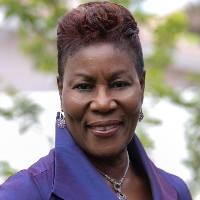
Florida · 21 yrs exp
Compassionate counselor for women's life challenges
Addictions · Relationship · Family · Self esteem · +2 more
Read profile
Mississippi · 9 yrs exp
Compassionate guidance for women's life challenges
Stress, Anxiety · Relationship · Family · Trauma and abuse · +9 more
Read profile
Florida · 11 yrs exp
Compassionate counselor who focuses on practical change
Stress, Anxiety · Relationship · Parenting · Self esteem · +11 more
Read profile
Colorado · 13 yrs exp
Compassionate, practical therapy for adult growth
Stress, Anxiety · LGBT · Relationship · Trauma and abuse · +10 more
Read profile
California · 6 yrs exp
Compassionate therapist for adult concerns
Stress, Anxiety · Addictions · Relationship · Depression · +10 more
Read profile
Florida · 8 yrs exp
Practical, empathic counseling for life challenges
Stress, Anxiety · Trauma and abuse · Parenting · Self esteem · +11 more
Read profile
North Carolina · 27 yrs exp
Compassionate counselor focused on women's life transitions
Stress, Anxiety · Self esteem · Coping with life changes · Relationship · +7 more
Read profile
Nevada · 17 yrs exp
Practical support for life transitions
Stress, Anxiety · Relationship · Intimacy-related issues · Self esteem · +3 more
Read profile
New York · 23 yrs exp
Compassionate practical therapy for women
Stress, Anxiety · Trauma and abuse · Grief · Depression · +13 more
Read profile
Georgia · 12 yrs exp
Compassionate counseling for women's life challenges
LGBT · Relationship · Bipolar · Coping with life changes · +6 more
Read profile
Virginia · 10 yrs exp
Practical support for everyday life challenges
Stress, Anxiety · Self esteem · Career · Coping with life changes · +11 more
Read profileWhen you are looking for support around work, you may be juggling more than job tasks. Career-related concerns often come wrapped up with stress, changing roles, questions about identity and the demands of family or caregiving. You might be coping with a job transition, negotiating boundaries at work, reconsidering long-term goals, or managing the emotional fallout of workplace conflict. All of these matters affect how you feel day to day and how you make decisions about next steps.
On this page you will find profiles of clinicians who list Career among their focus areas and who also indicate women's wellbeing in their practice. That listing signals a willingness to work with career topics alongside issues that commonly intersect with them, such as confidence, burnout, life transitions and role change. It does not speak to a particular outcome, nor does it substitute for specialized vocational services or legal and medical advice when those are needed. Use the profiles to identify practitioners whose described interests and experience resonate with what you want to address.
Your work life can influence other parts of your wellbeing, and other parts of your wellbeing can influence your work life. For example, a period of intense caregiving may shift your priorities at work, or a persistent pattern of stress might change how you approach career decisions. The reverse is also true - job insecurity or harassment can intensify anxiety or affect relationships. It is helpful to think about these connections as interactions rather than a simple cause and effect.
As you review profiles, notice how clinicians describe the intersections they address. Some profiles will highlight experience with life transitions and identity exploration alongside Career. Others may emphasize stress management or relationship dynamics. This gives you a starting point to think about what you want to bring to sessions - whether that is clearer decision-making, practical coping strategies, or processing how work fits with the rest of your life. You can explore these themes in sessions without assuming that one factor is the root cause of everything you are experiencing.
Before you make contact, it helps to know which aspects of a therapist's approach and background matter most to you. You can look in profiles for stated approaches and then ask in an initial conversation how those approaches are used in practice. For example, you might ask therapists who list cognitive-behavioral approaches how they help with workplace anxiety, or ask those who list narrative or psychodynamic approaches how they support identity exploration related to career change. It is best to frame these as options to discuss rather than assuming every clinician uses them in the same way.
Ask about relevant experience by describing a situation you want support for and asking whether the therapist has worked with similar concerns. You can ask about the populations they mention - for example, whether they have experience with people navigating career breaks, returning to work after a life change, or balancing multiple roles. If language or cultural understanding is important to you, ask how the therapist incorporates that into sessions. Remember that academic degrees such as PhD, PsyD, MD, MA or MSW describe education, and that professional permission to practice can look different across countries. In the United States you will often see licensing stated; in the United Kingdom professionals may reference registration or professional memberships; in Australia profiles may note registration or memberships with national bodies. A degree alone does not establish current permission to practice, so it is reasonable to ask how a therapist maintains their professional standing in the country listed on their profile.
If you are considering remote or online sessions, plan to discuss practical and safety-related details before you begin. Describe your technology set-up and ask how the clinician manages session notes, appointment scheduling and communication between sessions. Since online talk therapy is not medical, reproductive or legal care, be prepared to consult an appropriate healthcare or legal professional for pregnancy-related questions, medication decisions or physical symptoms.
If you ever feel unsafe at home, it is important to contact emergency services or to reach out to local support networks. If you are in the United States and experiencing domestic violence, you can contact the National Domestic Violence Hotline to discuss immediate options. Therapists can help you think through safety planning and resources, but urgent medical or legal needs should be handled by the appropriate local services. Also ask how a clinician responds to crises that may arise between sessions, including whether they will help you locate local emergency resources or recommend contacting a local service if necessary.
When you scan profiles, look beyond a single label and read how a clinician describes their focus areas and therapeutic style. If Career is one of several listed topics, note what other concerns are mentioned and whether those align with your priorities - for example, stress, parenting, identity or relationships. Compare the ways clinicians describe their work so you can get a sense of whether you would feel heard and understood. Some profiles emphasize practical problem solving and goal setting, while others describe an interest in deeper exploration of values or identity. Both can be helpful for career-related issues, depending on what you want to address.
Language and cultural competence can be key elements of fit. If speaking in a specific language matters to you, look for that information in profiles and consider asking how cultural context shapes the therapist's approach. When reviewing credentials, separate academic degrees from professional permission to practice. Degrees like PhD, PsyD, MD, MA and MSW indicate training level but do not by themselves indicate current permission to practice in a given country. Profiles may note US licensing, UK registration or professional memberships, or Australian registration - these are different kinds of professional recognition and you can ask a clinician to clarify how they practice in the listed location.
Finally, consider stylistic fit. Try to imagine how a clinician might respond to the situation you described earlier. Would you prefer someone who offers structured skill-building, or someone who explores feelings and life history in more depth? Profiles often mention session focus and tone. Use those signals to narrow your choices, and then bring concrete questions to an initial conversation so you can assess whether the working style feels right for you. This process is about finding a match that supports the goals you have for work and for your broader wellbeing.
As you move through profiles, keep in mind that the labels and descriptions are starting points. Use listed location, language options, stated approaches and clarified credentials to form specific questions. Describe your priorities and listen for responses about how a clinician typically works with similar concerns. You can then decide which profiles you want to explore further through a direct conversation, guided by the practical and safety considerations described above.
Alabama
51 therapists
Alaska
5 therapists
Arizona
35 therapists
Arkansas
18 therapists
Australia
87 therapists
California
407 therapists
Colorado
81 therapists
Connecticut
37 therapists
Delaware
7 therapists
District of Columbia
8 therapists
Florida
264 therapists
Georgia
67 therapists
Hawaii
12 therapists
Idaho
18 therapists
Illinois
114 therapists
Indiana
52 therapists
Iowa
10 therapists
Kansas
31 therapists
Kentucky
33 therapists
Louisiana
47 therapists
Maine
16 therapists
Maryland
66 therapists
Massachusetts
61 therapists
Michigan
114 therapists
Minnesota
42 therapists
Mississippi
25 therapists
Missouri
59 therapists
Montana
20 therapists
Nebraska
19 therapists
Nevada
18 therapists
New Hampshire
8 therapists
New Jersey
88 therapists
New Mexico
12 therapists
New York
233 therapists
North Carolina
125 therapists
North Dakota
6 therapists
Ohio
79 therapists
Oklahoma
46 therapists
Oregon
23 therapists
Pennsylvania
102 therapists
Rhode Island
6 therapists
South Carolina
60 therapists
South Dakota
3 therapists
Tennessee
49 therapists
Texas
304 therapists
United Kingdom
638 therapists
Utah
24 therapists
Vermont
6 therapists
Virginia
57 therapists
Washington
47 therapists
West Virginia
4 therapists
Wisconsin
44 therapists
Wyoming
4 therapists