
Dr. Steven Hurley
IL Psychologist 071007009Illinois · 19 yrs exp
Practical, action-focused psychotherapy for adults
Stress, Anxiety · LGBT · Relationship · Trauma and abuse · +9 more
Read profileTherapist listings are provided by BetterHelp. We will earn a commission at no extra cost to you if you use our links to buy.
Use this page to compare profiles of therapists who list Social Anxiety and Phobia along with women's wellbeing among their focus areas. Review listed location, approaches, languages, degrees, registrations and therapeutic style, then browse profiles to learn more.
Illinois · 19 yrs exp
Practical, action-focused psychotherapy for adults
Stress, Anxiety · LGBT · Relationship · Trauma and abuse · +9 more
Read profile
Illinois · 25 yrs exp
Compassionate, experienced LCSW supporting women's concerns
Stress, Anxiety · Relationship · Grief · Depression · +10 more
Read profile
Oregon · 14 yrs exp
Compassionate counselor for life transitions
Grief · Self esteem · Career · Depression · +8 more
Read profile
Oregon · 32 yrs exp
Practical, collaborative therapy for adult women and men
Stress, Anxiety · Relationship · Trauma and abuse · Grief · +9 more
Read profile
North Carolina · 13 yrs exp
Compassionate clinical social worker and life coach
Stress, Anxiety · Relationship · Family · Self esteem · +13 more
Read profile
South Carolina · 36 yrs exp
Experienced therapist focusing on women's life challenges
Stress, Anxiety · Addictions · Family · Trauma and abuse · +3 more
Read profile
Virginia · 23 yrs exp
Compassionate counselor for women facing chronic stress
Stress, Anxiety · Trauma and abuse · Self esteem · Depression · +9 more
Read profile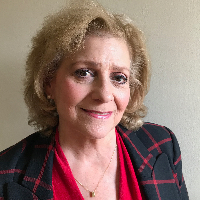
Pennsylvania · 21 yrs exp
Compassionate counselor guiding practical change
Stress, Anxiety · Relationship · Family · Self esteem · +12 more
Read profile
Wisconsin · 11 yrs exp
Calm, practical support for life changes
Stress, Anxiety · Family · Trauma and abuse · Depression · +12 more
Read profile
Florida · 10 yrs exp
Supportive LMHC guiding practical change
Stress, Anxiety · Family · Parenting · Self esteem · +10 more
Read profile
Virginia · 14 yrs exp
Person-centered trauma and life-change counseling
Trauma and abuse · Grief · Coping with life changes · Compassion fatigue · +12 more
Read profile
Oklahoma · 9 yrs exp
Direct therapist focused on practical change
Relationship · Family · Trauma and abuse · Grief · +7 more
Read profile
Wisconsin · 11 yrs exp
Compassionate counselor for life transitions
Stress, Anxiety · Relationship · Family · Self esteem · +6 more
Read profile
Michigan · 16 yrs exp
Practical, person-focused therapy for life changes
Stress, Anxiety · Addictions · Relationship · Parenting · +8 more
Read profile
Oregon · 17 yrs exp
Compassionate therapist helping people rebuild after trauma
Stress, Anxiety · Trauma and abuse · Grief · Intimacy-related issues · +1 more
Read profile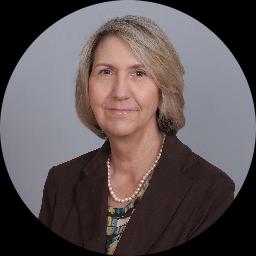
Michigan · 11 yrs exp
Compassionate support for life transitions
Stress, Anxiety · Relationship · Trauma and abuse · Grief · +1 more
Read profile
Colorado · 13 yrs exp
Compassionate, practical therapy for adult growth
Stress, Anxiety · LGBT · Relationship · Trauma and abuse · +10 more
Read profile
Florida · 10 yrs exp
Compassionate, practical support for women's well-being
Stress, Anxiety · Addictions · Trauma and abuse · Self esteem · +1 more
Read profile
Alabama · 17 yrs exp
Compassionate counseling for everyday struggles
Stress, Anxiety · Addictions · Grief · Anger · +1 more
Read profile
Florida · 25 yrs exp
Compassionate, direct counseling for lasting change
Stress, Anxiety · Relationship · Trauma and abuse · Self esteem · +2 more
Read profile
Virginia · 20 yrs exp
Practical support for stress and trauma recovery
Read profile
North Carolina · 10 yrs exp
Compassionate support for stress and trauma
Stress, Anxiety · Trauma and abuse · Self esteem · Depression · +1 more
Read profile
Texas · 11 yrs exp
Compassionate, practical care for trauma and stress
Stress, Anxiety · Trauma and abuse · Depression · Compassion fatigue · +3 more
Read profile
Virginia · 10 yrs exp
Practical support for everyday life challenges
Stress, Anxiety · Self esteem · Career · Coping with life changes · +11 more
Read profileSocial anxiety and phobia can show up in many parts of your life, from work meetings and social gatherings to dating, parenting and healthcare appointments. You may find that worry about being judged or scrutinized influences choices you make about relationships, career steps or social activities. For some people concerns about body image, identity or life transitions intersect with social fear in ways that make it harder to speak up or ask for support. Reading profiles here can help you find therapists who list both social anxiety and women's wellbeing as focus areas, so you can look for someone who names the issues that matter to you.
When you explore your needs it can be helpful to separate the feelings you are getting help for from any labels. You might be looking to reduce avoidance, improve how you connect with others, manage performance anxiety, or gain tools for navigating social situations. Those are practical goals you can discuss with a clinician. If you are pregnant, experiencing new physical symptoms, or have questions about medication, those matters are best handled in conversation with your medical doctor in addition to any therapeutic support you seek.
Many therapists who list women's wellbeing among their focus areas intend to address experiences that are common across gendered expectations, such as pressures around appearance, caregiving roles, workplace dynamics and identity formation. Those contextual factors can influence how social anxiety is experienced, but listing women's wellbeing on a profile does not imply cause or guarantee a particular therapy method. It simply signals that the clinician pays attention to issues that often matter to women. Use profiles to see whether a practitioner mentions areas that resonate with your situation, like body image, parenting, career stress or relationship concerns.
Keep in mind that the directory includes professionals from the United States, the United Kingdom and Australia, and each profile indicates a listed location. Geographic and cultural context can shape the kinds of social expectations people face, and it can also affect how therapists describe their experience. The fact that a clinician notes women's wellbeing alongside social anxiety can make it easier to find someone who frames conversations with an awareness of gendered pressures, but it does not establish certification or a specific scope of practice. If a profile mentions work with particular populations or life stages, ask directly how that experience aligns with what you need.
When you review a profile and prepare to reach out, having focused questions will help you compare different clinicians. You might ask how they conceptualize social anxiety in the context of concerns you brought up, and whether they typically work with people who are balancing parenting responsibilities, workplace stress or identity exploration. It is useful to ask which approaches they list and to frame those as options to discuss - for example, you can say you noticed they list CBT, exposure work, mindfulness or psychodynamic approaches and ask how they decide which tools to use with a given client. Remember that a profile listing an approach does not prove formal training in it; it simply indicates an approach the therapist reports using.
You should also distinguish academic degrees from permissions to practice. Degrees such as PhD, PsyD, MD, MA and MSW describe educational background, while licensing or registration indicates current permission to practice in a jurisdiction. In the US that permission commonly appears as a clinical license; in the UK and Australia you will often see registration or professional membership noted. Ask the clinician which regions they are authorized to practice in, especially if you are considering online care with someone whose listed location differs from your own. Clarifying scope of practice, typical client populations and the therapist's experience with issues like social anxiety, body image or life transitions will give you more to compare than degree titles alone.
If you are thinking about online sessions, there are practical and safety-related topics to cover before you begin. Confirm how they manage scheduling across time zones if that is relevant to you, and ask how they handle documentation or notes about sessions. You should discuss privacy and data handling so you understand how your information is stored and who can access it. It is appropriate to ask what happens in an emergency, and to review boundaries such as communication outside of scheduled sessions, preferred methods for brief check-ins and what to do if you need to reschedule.
If you are in immediate danger or at risk of harm, contact emergency services right away. If you are experiencing domestic abuse in the United States you can contact the National Domestic Violence Hotline; if you are outside the US, seek local emergency services or local support organizations. Online talk therapy is not a replacement for medical, reproductive or legal care. If you have questions about medication, pregnancy, new physical symptoms or legal matters, those are subjects to raise with a doctor or qualified legal advisor alongside therapeutic conversations.
When comparing profiles, pay attention to several concrete signals that will help you decide who to contact. Look for explicit focus areas beyond social anxiety - for example, whether a clinician lists body image, workplace stress, parenting or identity concerns. Those additional focuses can shape how a therapist frames interventions and which examples they bring into sessions. Check languages listed on a profile if communicating in a language other than English is important to you, and note how a therapist describes working across cultural or intersectional identities.
Next, review credentials carefully and keep degrees distinct from registration or licensing. If you see a doctorate or master degree on a profile, recognize that it reflects education. If practice permission is important to you, look for statements about licensure in US states or registration and membership in UK or Australian professional bodies, and ask the clinician to clarify whether their listed location matches the jurisdictions where they are authorized to practice. Finally, pay attention to the way a therapist describes their style - whether they emphasize collaboration, skill-building, exploration of past experiences or practical exposure work - and consider how that style fits with how you prefer to engage in therapy. Profiles are a starting point; bring these comparison questions into your first conversation so you can get a clearer sense of fit.
Alabama
51 therapists
Alaska
5 therapists
Arizona
35 therapists
Arkansas
18 therapists
Australia
87 therapists
California
407 therapists
Colorado
81 therapists
Connecticut
37 therapists
Delaware
7 therapists
District of Columbia
8 therapists
Florida
264 therapists
Georgia
67 therapists
Hawaii
12 therapists
Idaho
18 therapists
Illinois
114 therapists
Indiana
52 therapists
Iowa
10 therapists
Kansas
31 therapists
Kentucky
33 therapists
Louisiana
47 therapists
Maine
16 therapists
Maryland
66 therapists
Massachusetts
61 therapists
Michigan
114 therapists
Minnesota
42 therapists
Mississippi
25 therapists
Missouri
59 therapists
Montana
20 therapists
Nebraska
19 therapists
Nevada
18 therapists
New Hampshire
8 therapists
New Jersey
88 therapists
New Mexico
12 therapists
New York
233 therapists
North Carolina
125 therapists
North Dakota
6 therapists
Ohio
79 therapists
Oklahoma
46 therapists
Oregon
23 therapists
Pennsylvania
102 therapists
Rhode Island
6 therapists
South Carolina
60 therapists
South Dakota
3 therapists
Tennessee
49 therapists
Texas
304 therapists
United Kingdom
638 therapists
Utah
24 therapists
Vermont
6 therapists
Virginia
57 therapists
Washington
47 therapists
West Virginia
4 therapists
Wisconsin
44 therapists
Wyoming
4 therapists