
Dr. Steven Hurley
IL Psychologist 071007009Illinois · 19 yrs exp
Practical, action-focused psychotherapy for adults
Stress, Anxiety · LGBT · Relationship · Trauma and abuse · +9 more
Read profileTherapist listings are provided by BetterHelp. We will earn a commission at no extra cost to you if you use our links to buy.
Compare profiles of clinicians who list OCD alongside women's wellbeing among their focus areas. Browse profiles to review focus areas, therapeutic approaches, languages and listed location before you reach out.
Illinois · 19 yrs exp
Practical, action-focused psychotherapy for adults
Stress, Anxiety · LGBT · Relationship · Trauma and abuse · +9 more
Read profile
North Carolina · 13 yrs exp
Compassionate clinical social worker and life coach
Stress, Anxiety · Relationship · Family · Self esteem · +13 more
Read profile
Wisconsin · 11 yrs exp
Calm, practical support for life changes
Stress, Anxiety · Family · Trauma and abuse · Depression · +12 more
Read profile
United Kingdom · 8 yrs exp
Compassionate counsellor for women's life challenges
Stress, Anxiety · Grief · Depression · Compassion fatigue · +10 more
Read profile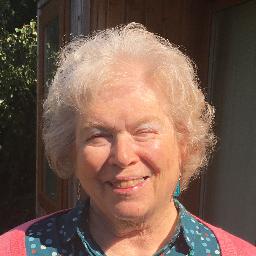
United Kingdom · 40 yrs exp
Experienced counsellor for relationships and life changes
Relationship · Family · Grief · Parenting · +14 more
Read profile
United Kingdom · 16 yrs exp
Warm, practical counselling for women's concerns
Relationship · Family · Trauma and abuse · Self esteem · +10 more
Read profile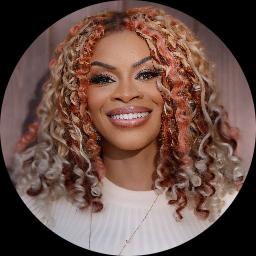
New York · 8 yrs exp
Practical, culturally aware support for life changes
Stress, Anxiety · Relationship · Anger · Self esteem · +12 more
Read profile
United Kingdom · 3 yrs exp
Person-centred counsellor for women's concerns
Stress, Anxiety · Addictions · Relationship · Trauma and abuse · +8 more
Read profile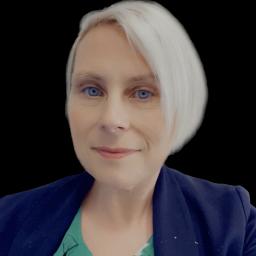
United Kingdom · 7 yrs exp
Supportive counsellor for women's wellbeing
Stress, Anxiety · Trauma and abuse · Self esteem · Depression · +8 more
Read profile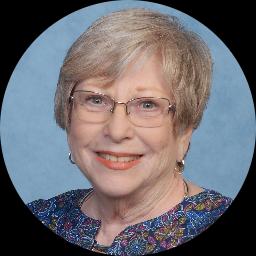
Florida · 13 yrs exp
Practical, client-centered counseling for women
Stress, Anxiety · Relationship · Self esteem · Depression · +1 more
Read profile
United Kingdom · 6 yrs exp
Person-centred counsellor with a practical focus
Stress, Anxiety · Relationship · Trauma and abuse · Self esteem · +11 more
Read profile
United Kingdom · 5 yrs exp
Compassionate person-centred counsellor with practical tools
Addictions · Anger · Self esteem · Depression · +16 more
Read profile
United Kingdom · 5 yrs exp
Compassionate counsellor for women's concerns
Addictions · Trauma and abuse · Eating · Sleeping · +4 more
Read profile
United Kingdom · 14 yrs exp
Compassionate counsellor for women’s life challenges
Stress, Anxiety · Grief · Self esteem · Depression · +9 more
Read profile
United Kingdom · 5 yrs exp
Compassionate counsellor for women's life challenges
Stress, Anxiety · Relationship · Family · Grief · +5 more
Read profile
Pennsylvania · 21 yrs exp
Compassionate counselor for women's mental health
Stress, Anxiety · Addictions · Relationship · Bipolar · +8 more
Read profile
United Kingdom · 14 yrs exp
Experienced counsellor for women's concerns
Stress, Anxiety · Grief · Self esteem · Depression · +6 more
Read profile
United Kingdom · 18 yrs exp
Experienced counsellor for women's concerns
Stress, Anxiety · LGBT · Depression · Coping with life changes · +7 more
Read profile
United Kingdom · 5 yrs exp
Kind, flexible counsellor for women's issues
Stress, Anxiety · Family · Grief · Self esteem · +16 more
Read profile
United Kingdom · 9 yrs exp
Compassionate counselling for everyday pressures
Stress, Anxiety · Relationship · Family · Grief · +12 more
Read profile
United Kingdom · 7 yrs exp
Warm, integrative counselling for women's issues
Stress, Anxiety · Trauma and abuse · Self esteem · Depression
Read profile
United Kingdom · 25 yrs exp
Supportive counsellor for women's issues
Stress, Anxiety · Relationship · Family · Trauma and abuse · +9 more
Read profile
United Kingdom · 17 yrs exp
Experienced counsellor for women's issues and relationships
Stress, Anxiety · Relationship · Trauma and abuse · Grief · +6 more
Read profile
United Kingdom · 4 yrs exp
Compassionate counselling for women's concerns
Grief · Self esteem · Depression · Stress, Anxiety · +10 more
Read profileWhen you look for help, you may be thinking about stress, relationships, major life changes, body image, work pressures, parenting or identity questions. For many people these concerns overlap with patterns of intrusive thoughts, repetitive behaviours or mental rituals that people describe as obsessive-compulsive symptoms. You do not need to accept a single explanation for what you are experiencing - sometimes a focus on daily functioning and values is what matters most, and other times more targeted strategies for intrusive thoughts or compulsive responses can help you manage distressing patterns.
Women often tell therapists that societal pressures, reproductive life events, caregiving expectations and identity transitions feed into the way symptoms are experienced. These life contexts shape what you notice and name as a concern and they shape the goals you bring to a clinician. That is why you may want a clinician who lists both OCD and women's wellbeing among their focus areas, so conversations can attend to the symptom patterns and to the broader life context that matters to you.
This page groups profiles that list OCD as a specialty or additional focus area alongside women's wellbeing. A profile shows the topics and approaches a clinician reports as part of their practice, along with listed location, languages spoken and academic degrees. Those profile entries are useful starting points for comparison, but they are not proof of specialist certification, diagnostic services, or outcomes. A degree such as PhD, PsyD, MD, MA or MSW indicates academic qualification and should be read separately from any professional license, registration or membership.
Licensing, registration and membership work differently depending on where a clinician practices. In the United States you will commonly see references to professional licenses; in the United Kingdom and Australia clinicians often list registration or membership with national professional bodies. The presence of a focus area on a profile does not establish whether a clinician treats children, couples or families, so it is important to ask about scope directly. Use the profiles to note which clinicians mention issues that match your priorities and then follow up with direct questions to learn more.
When you are comparing profiles, think about the specific information you want to know and turn that into direct questions. You might ask whether the clinician works with OCD related to perinatal periods or fertility concerns if that is relevant to you. If body image or societal pressures are central, ask whether they have experience supporting people with body-focused intrusive thoughts or compulsions. You can ask how often they work with overlapping conditions such as anxiety or mood concerns, and whether they welcome discussions about cultural, racial, sexual or gender identity factors that affect your experience.
It is helpful to ask about therapeutic approaches in terms of what is listed on the profile: for example, whether a clinician lists cognitive approaches, exposure-based approaches such as exposure and response prevention, acceptance-focused work, mindfulness-informed strategies, or other approaches. Phrase questions so you learn how those approaches might be used in the context of your goals rather than assuming every clinician uses the same techniques. You can also ask what kinds of case examples or client goals they commonly work with, and whether they collaborate with medical or other professionals when questions about medication, reproductive health or physical symptoms arise.
If you plan to work online, raise practical and safety-oriented topics before you begin. Ask which online platform the clinician uses and how they protect session information, and check whether they can provide a comfortable environment for sessions when you are at home. Clarify how they handle crisis situations and confirm how to contact local emergency services if you are in immediate danger. If you are experiencing an unsafe situation at home, contact emergency services and the National Domestic Violence Hotline (US) or local equivalents right away.
Remember that online talk therapy is not medical, reproductive or legal care. If you have concerns about pregnancy, physical symptoms or medication, plan to involve a doctor or specialist alongside any mental health support. It is reasonable to discuss logistics such as session length, expected communication methods between sessions, cancellation policies and how they approach goals and homework. These practical conversations help you decide which clinician's working style and boundaries align with your needs.
When you compare profiles, make a note of the specific focus areas that matter to you and how they are described. Some clinicians list perinatal concerns, trauma, body image or relationship work alongside OCD and women's wellbeing. Others highlight work with identity, parenting, or workplace stress. Languages listed on a profile can be crucial if you prefer to speak in a language other than English, and a clinician who lists multiple languages may offer cultural perspectives that resonate with your background.
Look at academic degrees separately from professional licenses or registrations. A PhD or PsyD indicates an advanced degree in psychological research or clinical practice, an MD indicates a medical doctorate, and MA or MSW refer to masters-level training in psychology or social work. A degree alone does not confirm current permission to practice in a particular jurisdiction. In the United States clinicians typically refer to professional licensing, while in the United Kingdom and Australia you may see references to registration or membership with national bodies. Use the profile wording to frame specific questions about current registration or licensure in the region where you will receive care.
Therapeutic style is another important comparison point. Some clinicians describe a directive, skills-focused approach that emphasizes structured practice and measurable goals. Others describe a collaborative, exploratory style that prioritizes meaning-making and emotional processing. Consider which style fits how you prefer to work and ask clinicians on their profiles to describe how they tailor their approach to individual clients. Ultimately, your comfort with a clinician's focus areas, approach, credentials and communication style can help you choose who to contact through their profile for an initial conversation about fit.
Alabama
51 therapists
Alaska
5 therapists
Arizona
35 therapists
Arkansas
18 therapists
Australia
87 therapists
California
407 therapists
Colorado
81 therapists
Connecticut
37 therapists
Delaware
7 therapists
District of Columbia
8 therapists
Florida
264 therapists
Georgia
67 therapists
Hawaii
12 therapists
Idaho
18 therapists
Illinois
114 therapists
Indiana
52 therapists
Iowa
10 therapists
Kansas
31 therapists
Kentucky
33 therapists
Louisiana
47 therapists
Maine
16 therapists
Maryland
66 therapists
Massachusetts
61 therapists
Michigan
114 therapists
Minnesota
42 therapists
Mississippi
25 therapists
Missouri
59 therapists
Montana
20 therapists
Nebraska
19 therapists
Nevada
18 therapists
New Hampshire
8 therapists
New Jersey
88 therapists
New Mexico
12 therapists
New York
233 therapists
North Carolina
125 therapists
North Dakota
6 therapists
Ohio
79 therapists
Oklahoma
46 therapists
Oregon
23 therapists
Pennsylvania
102 therapists
Rhode Island
6 therapists
South Carolina
60 therapists
South Dakota
3 therapists
Tennessee
49 therapists
Texas
304 therapists
United Kingdom
638 therapists
Utah
24 therapists
Vermont
6 therapists
Virginia
57 therapists
Washington
47 therapists
West Virginia
4 therapists
Wisconsin
44 therapists
Wyoming
4 therapists