
Dr. Steven Hurley
IL Psychologist 071007009Illinois · 19 yrs exp
Practical, action-focused psychotherapy for adults
Stress, Anxiety · LGBT · Relationship · Trauma and abuse · +9 more
Read profileTherapist listings are provided by BetterHelp. We will earn a commission at no extra cost to you if you use our links to buy.
Compare profiles of therapists who list Mood Disorders alongside women's wellbeing and related concerns. Use the filters and listed information to browse clinicians by focus, approach, qualifications and language.
Read the summaries below to help you decide which profiles to open and which practitioners to contact for an initial conversation about fit.
Illinois · 19 yrs exp
Practical, action-focused psychotherapy for adults
Stress, Anxiety · LGBT · Relationship · Trauma and abuse · +9 more
Read profile
Illinois · 25 yrs exp
Compassionate, experienced LCSW supporting women's concerns
Stress, Anxiety · Relationship · Grief · Depression · +10 more
Read profile
Oregon · 32 yrs exp
Practical, collaborative therapy for adult women and men
Stress, Anxiety · Relationship · Trauma and abuse · Grief · +9 more
Read profile
South Carolina · 36 yrs exp
Experienced therapist focusing on women's life challenges
Stress, Anxiety · Addictions · Family · Trauma and abuse · +3 more
Read profile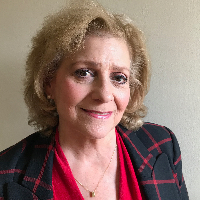
Pennsylvania · 21 yrs exp
Compassionate counselor guiding practical change
Stress, Anxiety · Relationship · Family · Self esteem · +12 more
Read profile
Wisconsin · 11 yrs exp
Calm, practical support for life changes
Stress, Anxiety · Family · Trauma and abuse · Depression · +12 more
Read profile
Florida · 10 yrs exp
Supportive LMHC guiding practical change
Stress, Anxiety · Family · Parenting · Self esteem · +10 more
Read profile
Oklahoma · 9 yrs exp
Direct therapist focused on practical change
Relationship · Family · Trauma and abuse · Grief · +7 more
Read profile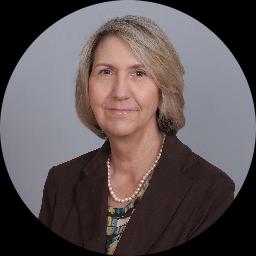
Michigan · 11 yrs exp
Compassionate support for life transitions
Stress, Anxiety · Relationship · Trauma and abuse · Grief · +1 more
Read profile
Louisiana · 15 yrs exp
Compassionate support for women's life challenges
Stress, Anxiety · Trauma and abuse · Grief · Self esteem · +1 more
Read profile
Florida · 11 yrs exp
Compassionate counselor who focuses on practical change
Stress, Anxiety · Relationship · Parenting · Self esteem · +11 more
Read profile
Colorado · 13 yrs exp
Compassionate, practical therapy for adult growth
Stress, Anxiety · LGBT · Relationship · Trauma and abuse · +10 more
Read profile
Florida · 10 yrs exp
Compassionate, practical support for women's well-being
Stress, Anxiety · Addictions · Trauma and abuse · Self esteem · +1 more
Read profile
Alabama · 8 yrs exp
Practical therapy for stress and life changes
Stress, Anxiety · Family · Trauma and abuse · Grief · +7 more
Read profile
Tennessee · 3 yrs exp
Calm, practical support for life's hard moments
Stress, Anxiety · Addictions · Trauma and abuse · Self esteem · +8 more
Read profile
Florida · 8 yrs exp
Practical, empathic counseling for life challenges
Stress, Anxiety · Trauma and abuse · Parenting · Self esteem · +11 more
Read profile
Texas · 11 yrs exp
Compassionate, practical care for trauma and stress
Stress, Anxiety · Trauma and abuse · Depression · Compassion fatigue · +3 more
Read profile
North Carolina · 25 yrs exp
Practical counseling for life's challenges
Stress, Anxiety · Relationship · Depression · Coping with life changes · +1 more
Read profile
Massachusetts · 15 yrs exp
Calm, practical support for life's harder moments
Stress, Anxiety · Relationship · Grief · Depression · +1 more
Read profile
Oklahoma · 30 yrs exp
Compassionate counselor supporting women through life changes
Stress, Anxiety · Family · Trauma and abuse · Grief · +6 more
Read profile
Kansas · 23 yrs exp
Compassionate, practical care for life changes
Stress, Anxiety · Relationship · Trauma and abuse · Self esteem · +8 more
Read profile
Minnesota · 14 yrs exp
Focused, experienced therapist for life changes
Stress, Anxiety · Relationship · Grief · Parenting · +11 more
Read profile
North Carolina · 20 yrs exp
Practical, strength-based counseling for women
Stress, Anxiety · Addictions · Trauma and abuse · Grief · +1 more
Read profile
Ohio · 25 yrs exp
Compassionate, practical support for women's concerns
Stress, Anxiety · Addictions · Relationship · Family · +1 more
Read profileIf you are searching for support with mood changes - including persistent low mood, sudden shifts in mood, or periods of feeling unusually down or irritable - this page brings together profiles of clinicians who list Mood Disorders as a focus area. The directory groups therapists who include this topic among their areas of work, but a listed focus is not the same as a clinical diagnosis or a guarantee of any particular service. You will find practitioners with a range of backgrounds, academic degrees and professional registrations across the United States, the United Kingdom and Australia. Degrees such as PhD, PsyD, MD, MA and MSW describe academic training. Registration, licensure or professional membership are separate and vary by country and jurisdiction. When reviewing profiles, note the distinction between the qualifications shown and the legal permission to practise in a given place.
Because mood-related concerns often intersect with other parts of life, many profiles also list women's wellbeing, relationships, parenting, work stress, body image and identity among their additional focuses. That overlap reflects clinician interest and experience areas, not a clinical endorsement that one issue causes another. Use your reading of profiles to find practitioners whose focus areas match what you want to discuss.
You may be looking for help because mood changes are affecting everyday tasks, relationships or how you make sense of life transitions. For many women, periods of mood disturbance overlap with workplace pressure, caregiving obligations, changes in relationships, shifts in identity or concerns about body image. These are all understandable contexts for seeking support. While mood experiences vary widely, therapy conversations often centre on how mood affects thinking, behaviour and relationships, and on practical ways to cope when feelings become overwhelming.
It is also common for mood fluctuations to coincide with hormonal changes, pregnancy and postpartum periods, or midlife transitions. If you are pregnant, considering medication, experiencing physical symptoms, or have concerns about reproductive health, those issues belong with your medical provider. Online talk therapy can be a useful complement to medical care, but it is not a substitute for medical, reproductive or legal advice. If you are in immediate danger or are being harmed at home, contact emergency services right away and reach out to the National Domestic Violence Hotline (US) at 1-800-799-7233 or to local emergency and support services in your country.
When you look through profiles, think about what you want to learn from a first conversation. Clear questions help you compare clinicians and focus on fit. You might ask whether a therapist has experience working with the particular life stage or circumstance you are facing, such as balancing work and parenting, navigating a major life change, or coping with body image concerns. Ask whether they list mood-related work among their focus areas and how they describe their approach to those issues. Some profiles will note therapeutic approaches as part of their descriptions; you can ask whether a therapist typically draws on cognitive-behavioral strategies, interpersonal perspectives, psychodynamic insight, acceptance and commitment ideas, dialectical behavioral skills, mindfulness or eye movement-based approaches. Phrase these as options to discuss rather than assumed offerings. It is also useful to clarify the clinician's training and current professional status. An academic degree such as a PhD or MSW tells you about education, while registration, licensure or professional membership indicates the formal permission to practise that applies in a given country or state. If you are in the US, ask about state licensure. In the UK or Australia, ask about registration or membership with the relevant professional bodies. Remember that a degree alone does not prove current authority to practise.
Before you begin online sessions, there are practical topics to raise so you know what to expect from the interaction. Talk about the communication channels used for scheduling and whether the clinician offers video or telephone sessions. If privacy during sessions is a concern for you, discuss how you can create a comfortable environment for talking and what options exist if you need a different arrangement. Clarify how emergency situations are handled and what local resources the clinician recommends if you are in immediate crisis. If you are taking medication, pregnant, postpartum or managing a physical health condition, let the clinician know so you can determine how talk therapy will fit with your medical care. If you need information about medication or physical symptoms, your primary care physician, OB-GYN or a psychiatrist are the appropriate contacts. Online conversations are intended to support mental and emotional wellbeing, not to replace medical assessment.
Language and cultural fit are also important topics. If you prefer sessions in a particular language or want a clinician who understands your cultural background, mention this early. Ask how the therapist incorporates cultural context into their work and whether they have experience with issues of identity, gender and social roles that affect women differently. A direct conversation about expectations and boundaries helps you decide whether a particular profile aligns with what you need.
When comparing profiles on this page, start with focus descriptions and listed location to see where a clinician indicates they work or are based. Focus areas tell you what a clinician commonly writes about in profiles - for example women's wellbeing, relationships, parenting, work stress or identity - and may reveal how they frame mood-related concerns. Language options are important for expressing nuance, so note which clinicians list additional languages. Credentials and professional details appear in profile summaries; distinguish academic degrees from professional registration. If a profile mentions a PhD, PsyD, MA or MSW, recognize that this describes educational background, not necessarily current permission to practice. Look for explicit statements about registration, licensure or membership relevant to the clinician's country or state when you need to confirm practice status.
Style and therapeutic fit are harder to capture from a brief profile, but many clinicians include statements about how they work with clients. Pay attention to wording about collaboration, goal-setting, reflective work or skill-building to see what resonates with you. Think about concrete comparison questions such as - Do they list experience with the life stage or issue you are dealing with? Which therapeutic approaches do they list and how do they describe using them? What languages do they offer sessions in? Is their listed location relevant to local resource referrals? What academic degree and what form of registration or membership do they report? Use those comparisons to narrow the list of profiles you open for a deeper read and to prepare questions for an introductory conversation. Your decision to reach out can be based on how well a profile and the clinician's stated approach match what you want to address in therapy conversations, not on promises of outcomes.
As you read profiles, take notes on the questions that matter most to you and use the directory tools to filter by focus area, language and listed location. A short exploratory call or message can help you learn whether a clinician's style and practical arrangements are a fit. Keep in mind that the directory collects self-reported focus areas and professional details; follow up directly with the clinician about any specific questions concerning their training, registration or the ways they work with mood-related concerns. If you ever feel unsafe, contact emergency services immediately and use local crisis lines or domestic violence resources where appropriate.
Alabama
51 therapists
Alaska
5 therapists
Arizona
35 therapists
Arkansas
18 therapists
Australia
87 therapists
California
407 therapists
Colorado
81 therapists
Connecticut
37 therapists
Delaware
7 therapists
District of Columbia
8 therapists
Florida
264 therapists
Georgia
67 therapists
Hawaii
12 therapists
Idaho
18 therapists
Illinois
114 therapists
Indiana
52 therapists
Iowa
10 therapists
Kansas
31 therapists
Kentucky
33 therapists
Louisiana
47 therapists
Maine
16 therapists
Maryland
66 therapists
Massachusetts
61 therapists
Michigan
114 therapists
Minnesota
42 therapists
Mississippi
25 therapists
Missouri
59 therapists
Montana
20 therapists
Nebraska
19 therapists
Nevada
18 therapists
New Hampshire
8 therapists
New Jersey
88 therapists
New Mexico
12 therapists
New York
233 therapists
North Carolina
125 therapists
North Dakota
6 therapists
Ohio
79 therapists
Oklahoma
46 therapists
Oregon
23 therapists
Pennsylvania
102 therapists
Rhode Island
6 therapists
South Carolina
60 therapists
South Dakota
3 therapists
Tennessee
49 therapists
Texas
304 therapists
United Kingdom
638 therapists
Utah
24 therapists
Vermont
6 therapists
Virginia
57 therapists
Washington
47 therapists
West Virginia
4 therapists
Wisconsin
44 therapists
Wyoming
4 therapists