
Dr. Steven Hurley
IL Psychologist 071007009Illinois · 19 yrs exp
Practical, action-focused psychotherapy for adults
Stress, Anxiety · LGBT · Relationship · Trauma and abuse · +9 more
Read profileTherapist listings are provided by BetterHelp. We will earn a commission at no extra cost to you if you use our links to buy.
This page groups profiles of professionals who list Intimacy Issues among their focus areas and who also work with women's wellbeing. You can compare listed focus areas, approaches, credentials and languages to find profiles that match what matters to you.
Browse the listings below to read therapist profiles and learn more about how different professionals describe their experience and style.
Illinois · 19 yrs exp
Practical, action-focused psychotherapy for adults
Stress, Anxiety · LGBT · Relationship · Trauma and abuse · +9 more
Read profile
Illinois · 25 yrs exp
Compassionate, experienced LCSW supporting women's concerns
Stress, Anxiety · Relationship · Grief · Depression · +10 more
Read profile
Texas · 10 yrs exp
Hopeful counselor focused on practical change
Relationship · Family · Anger · Self esteem · +12 more
Read profile
Florida · 11 yrs exp
Compassionate counselor blending insight and skills
Stress, Anxiety · LGBT · Relationship · Coping with life changes · +14 more
Read profile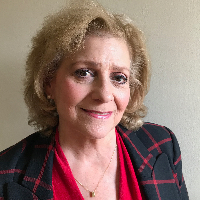
Pennsylvania · 21 yrs exp
Compassionate counselor guiding practical change
Stress, Anxiety · Relationship · Family · Self esteem · +12 more
Read profile
Wisconsin · 11 yrs exp
Calm, practical support for life changes
Stress, Anxiety · Family · Trauma and abuse · Depression · +12 more
Read profile
Florida · 10 yrs exp
Supportive LMHC guiding practical change
Stress, Anxiety · Family · Parenting · Self esteem · +10 more
Read profile
Virginia · 14 yrs exp
Person-centered trauma and life-change counseling
Trauma and abuse · Grief · Coping with life changes · Compassion fatigue · +12 more
Read profile
Oklahoma · 9 yrs exp
Direct therapist focused on practical change
Relationship · Family · Trauma and abuse · Grief · +7 more
Read profile
Michigan · 16 yrs exp
Practical, person-focused therapy for life changes
Stress, Anxiety · Addictions · Relationship · Parenting · +8 more
Read profile
Oregon · 17 yrs exp
Compassionate therapist helping people rebuild after trauma
Stress, Anxiety · Trauma and abuse · Grief · Intimacy-related issues · +1 more
Read profile
Colorado · 13 yrs exp
Compassionate, practical therapy for adult growth
Stress, Anxiety · LGBT · Relationship · Trauma and abuse · +10 more
Read profile
California · 6 yrs exp
Compassionate therapist for adult concerns
Stress, Anxiety · Addictions · Relationship · Depression · +10 more
Read profile
Tennessee · 3 yrs exp
Calm, practical support for life's hard moments
Stress, Anxiety · Addictions · Trauma and abuse · Self esteem · +8 more
Read profile
Virginia · 10 yrs exp
Compassionate, practical therapy for women
Relationship · Trauma and abuse · Self esteem · Depression · +5 more
Read profile
North Carolina · 27 yrs exp
Compassionate counselor focused on women's life transitions
Stress, Anxiety · Self esteem · Coping with life changes · Relationship · +7 more
Read profile
Nevada · 17 yrs exp
Practical support for life transitions
Stress, Anxiety · Relationship · Intimacy-related issues · Self esteem · +3 more
Read profile
New York · 23 yrs exp
Compassionate practical therapy for women
Stress, Anxiety · Trauma and abuse · Grief · Depression · +13 more
Read profile
Virginia · 10 yrs exp
Practical support for everyday life challenges
Stress, Anxiety · Self esteem · Career · Coping with life changes · +11 more
Read profile
Oklahoma · 30 yrs exp
Compassionate counselor supporting women through life changes
Stress, Anxiety · Family · Trauma and abuse · Grief · +6 more
Read profile
Kansas · 23 yrs exp
Compassionate, practical care for life changes
Stress, Anxiety · Relationship · Trauma and abuse · Self esteem · +8 more
Read profile
Minnesota · 14 yrs exp
Focused, experienced therapist for life changes
Stress, Anxiety · Relationship · Grief · Parenting · +11 more
Read profile
Indiana · 5 yrs exp
Straightforward counseling with practical steps
Stress, Anxiety · Relationship · Self esteem · Depression · +7 more
Read profile
Mississippi · 11 yrs exp
Compassionate therapist for relationship and family concerns
Relationship · Family · Stress, Anxiety · Addictions · +14 more
Read profileIntimacy concerns can show up in many ways - changes in desire, difficulty with emotional closeness, worries about body image, challenges after life events, or trouble with physical intimacy that feels distressing. These experiences often interact with stress from work, parenting, identity exploration, major life transitions, or the emotional fallout from past relationships. You may be looking for help because intimacy concerns are affecting how you connect with partners, how you feel about yourself, or how you manage daily stress. It is important to remember that physical symptoms, pregnancy-related questions, and medication belong with a medical professional. If you are experiencing fear for your safety at home, contact local emergency services immediately. If you are in the United States and facing domestic violence, you can call the National Domestic Violence Hotline. If you are elsewhere, please reach out to your local emergency services or domestic violence helplines for immediate support.
Thinking about intimacy in the context of women's wellbeing means looking at emotional, relational, and life-stage factors together. You might be navigating postpartum adjustments, perimenopause, new relationship dynamics, or the emotional work of reclaiming desire after trauma. Each person’s experience is unique, and looking at how intimacy issues fit into your broader wellbeing can help you choose a profile that aligns with your needs.
This directory focuses on women's wellbeing and groups profiles that list Intimacy Issues as a focus area. That does not imply any single cause or uniform approach - it simply helps you find professionals who have chosen to note this area on their profiles. Intimacy concerns often overlap with other areas commonly listed by therapists who work with women, such as relationship difficulties, body image, identity, stress, and life transitions. You may find profiles that highlight complementary focus areas; comparing those descriptions can clarify whether a therapist frames intimacy concerns in relational, developmental, trauma-informed, or life-stage terms.
The directory includes professionals located in the United States, the United Kingdom, and Australia, and profiles may reflect different regional terms for permission to practice. In the United States you will often see references to state licenses, while in the United Kingdom and Australia profiles may note registration or professional association membership. Academic degrees such as PhD, PsyD, MD, MA, or MSW describe formal education and do not by themselves indicate the current legal permission to provide clinical services. Use the profile details to see how each professional describes their focus, and plan to ask about licensure, registration, or membership relevant to their listed location before you start working together.
When you read profiles, think about the practical questions that matter to your situation. You might ask how a practitioner typically works with intimacy concerns - for example, whether they describe working with sexual desire differences, body image, sexual pain, or relational communication. Phrase questions to invite specifics: Can you describe your experience working with people who have similar concerns to mine? How do you usually approach intimacy concerns that involve past trauma or current relationship conflict? If a profile lists particular approaches, you can ask how those approaches are applied in practice, remembering that a listing is not proof of training or certification. For example, you could say, I see you list mindfulness or EMDR among your approaches - how do you use those tools when someone comes with intimacy-related distress?
Also ask about the scope of work. If you want help with parenting-related intimacy changes, fertility transitions, or identity exploration, ask whether the therapist commonly works with those life stages. If you are considering couples work, note that a listed topic does not automatically mean a professional provides therapy for couples or families; discuss the therapist’s current practice and whether they work with individuals, couples, or both. Finally, clarify languages spoken and whether the therapist has experience with particular cultural or community contexts that matter to you. These concrete questions will help you compare profiles based on real differences in approach and experience.
If you are considering online sessions, it helps to discuss practical and safety-related issues upfront. Ask how the therapist manages sessions when intimacy topics are discussed, what steps they recommend to create a quiet setting, and how they handle emergencies or safety concerns if you are not in the same location. Make a plan with the therapist about emergency contacts and where you will go or who you will call if you need immediate help. For acute safety issues at home, contact local emergency services without delay. For domestic abuse in the United States, the National Domestic Violence Hotline offers support and resources; if you are elsewhere, identify local equivalents before you begin care.
You should also ask about the technology used for online sessions and whether the therapist has suggestions for maintaining personal boundaries and comfort during sensitive conversations. If you have concerns related to pregnancy, physical symptoms, or medication, those are best addressed with your medical provider, and you can coordinate care by informing a therapist that medical consultation is part of your plan. Discuss whether sessions will include practical homework, communication practice, or referral to specialist services when needed. Clear communication about these points helps you decide if a particular profile aligns with the practical realities of online care.
When you compare profiles, look beyond headline labels and read the descriptions where therapists explain how they frame intimacy concerns. Notice which related focus areas are listed - such as relationships, body image, trauma, or life transitions - and think about which of those lenses resonates with your priorities. Pay attention to the approaches mentioned, with the understanding that a listing indicates an approach the therapist may use and not proof of certification. For example, you may encounter therapists who list cognitive-behavioral strategies, psychodynamic perspectives, somatic work, mindfulness, or therapists who list EMDR among their approaches. Use those mentions as starting points for asking how the approach might be applied to your situation.
Compare credentials and regional permissions carefully. In the United States, profiles may reference state licenses; in the United Kingdom and Australia, look for registration or association membership as relevant indicators of professional oversight. Academic degrees provide useful context about a therapist’s training background - PhD, PsyD, MD, MA, MSW and others - but a degree does not by itself establish current permission to practice. Also weigh the languages offered and the ways therapists describe their therapeutic style - some may emphasize direct communication and skills practice while others describe a reflective, exploratory tone. Finally, consider practical match factors such as the listed location for in-person care, whether they describe working online, and whether their profile language reflects cultural competence, lived experience, or particular community knowledge. These comparisons help you identify profiles to explore further through the questions outlined above.
Use the listings above to read individual profiles and make a short list of professionals whose focus areas, approaches, credentials, languages, and style seem to match what you need. Reach out to those listed on the site to ask the concrete questions described here before deciding whom to contact for a first conversation. Remember that your needs may change over time, and it is appropriate to discuss scope and referrals with a professional if your concerns evolve. If you are in immediate danger, contact emergency services right away or call local domestic violence helplines for assistance.
Alabama
51 therapists
Alaska
5 therapists
Arizona
35 therapists
Arkansas
18 therapists
Australia
87 therapists
California
407 therapists
Colorado
81 therapists
Connecticut
37 therapists
Delaware
7 therapists
District of Columbia
8 therapists
Florida
264 therapists
Georgia
67 therapists
Hawaii
12 therapists
Idaho
18 therapists
Illinois
114 therapists
Indiana
52 therapists
Iowa
10 therapists
Kansas
31 therapists
Kentucky
33 therapists
Louisiana
47 therapists
Maine
16 therapists
Maryland
66 therapists
Massachusetts
61 therapists
Michigan
114 therapists
Minnesota
42 therapists
Mississippi
25 therapists
Missouri
59 therapists
Montana
20 therapists
Nebraska
19 therapists
Nevada
18 therapists
New Hampshire
8 therapists
New Jersey
88 therapists
New Mexico
12 therapists
New York
233 therapists
North Carolina
125 therapists
North Dakota
6 therapists
Ohio
79 therapists
Oklahoma
46 therapists
Oregon
23 therapists
Pennsylvania
102 therapists
Rhode Island
6 therapists
South Carolina
60 therapists
South Dakota
3 therapists
Tennessee
49 therapists
Texas
304 therapists
United Kingdom
638 therapists
Utah
24 therapists
Vermont
6 therapists
Virginia
57 therapists
Washington
47 therapists
West Virginia
4 therapists
Wisconsin
44 therapists
Wyoming
4 therapists