
Dr. Steven Hurley
IL Psychologist 071007009Illinois · 19 yrs exp
Practical, action-focused psychotherapy for adults
Stress, Anxiety · LGBT · Relationship · Trauma and abuse · +9 more
Read profileTherapist listings are provided by BetterHelp. We will earn a commission at no extra cost to you if you use our links to buy.
This page groups profiles of therapists who list Post-Traumatic Stress alongside women's wellbeing among their focus areas. Browse the profiles to compare listed focus areas, therapeutic approaches, languages and credentials to find a match for your needs.
Illinois · 19 yrs exp
Practical, action-focused psychotherapy for adults
Stress, Anxiety · LGBT · Relationship · Trauma and abuse · +9 more
Read profile
Oregon · 14 yrs exp
Compassionate counselor for life transitions
Grief · Self esteem · Career · Depression · +8 more
Read profile
Oregon · 32 yrs exp
Practical, collaborative therapy for adult women and men
Stress, Anxiety · Relationship · Trauma and abuse · Grief · +9 more
Read profile
South Carolina · 36 yrs exp
Experienced therapist focusing on women's life challenges
Stress, Anxiety · Addictions · Family · Trauma and abuse · +3 more
Read profile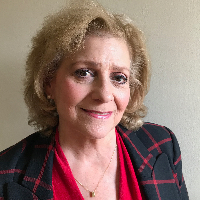
Pennsylvania · 21 yrs exp
Compassionate counselor guiding practical change
Stress, Anxiety · Relationship · Family · Self esteem · +12 more
Read profile
Wisconsin · 11 yrs exp
Calm, practical support for life changes
Stress, Anxiety · Family · Trauma and abuse · Depression · +12 more
Read profile
Virginia · 14 yrs exp
Person-centered trauma and life-change counseling
Trauma and abuse · Grief · Coping with life changes · Compassion fatigue · +12 more
Read profile
Oklahoma · 9 yrs exp
Direct therapist focused on practical change
Relationship · Family · Trauma and abuse · Grief · +7 more
Read profile
Oregon · 17 yrs exp
Compassionate therapist helping people rebuild after trauma
Stress, Anxiety · Trauma and abuse · Grief · Intimacy-related issues · +1 more
Read profile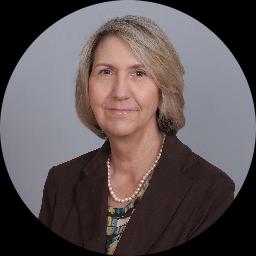
Michigan · 11 yrs exp
Compassionate support for life transitions
Stress, Anxiety · Relationship · Trauma and abuse · Grief · +1 more
Read profile
Louisiana · 15 yrs exp
Compassionate support for women's life challenges
Stress, Anxiety · Trauma and abuse · Grief · Self esteem · +1 more
Read profile
Florida · 11 yrs exp
Compassionate counselor who focuses on practical change
Stress, Anxiety · Relationship · Parenting · Self esteem · +11 more
Read profile
Colorado · 13 yrs exp
Compassionate, practical therapy for adult growth
Stress, Anxiety · LGBT · Relationship · Trauma and abuse · +10 more
Read profile
Florida · 10 yrs exp
Compassionate, practical support for women's well-being
Stress, Anxiety · Addictions · Trauma and abuse · Self esteem · +1 more
Read profile
Tennessee · 3 yrs exp
Calm, practical support for life's hard moments
Stress, Anxiety · Addictions · Trauma and abuse · Self esteem · +8 more
Read profile
Florida · 8 yrs exp
Practical, empathic counseling for life challenges
Stress, Anxiety · Trauma and abuse · Parenting · Self esteem · +11 more
Read profile
North Carolina · 10 yrs exp
Compassionate support for stress and trauma
Stress, Anxiety · Trauma and abuse · Self esteem · Depression · +1 more
Read profile
Texas · 11 yrs exp
Compassionate, practical care for trauma and stress
Stress, Anxiety · Trauma and abuse · Depression · Compassion fatigue · +3 more
Read profile
Georgia · 12 yrs exp
Compassionate counseling for women's life challenges
LGBT · Relationship · Bipolar · Coping with life changes · +6 more
Read profile
Oklahoma · 30 yrs exp
Compassionate counselor supporting women through life changes
Stress, Anxiety · Family · Trauma and abuse · Grief · +6 more
Read profile
Kansas · 23 yrs exp
Compassionate, practical care for life changes
Stress, Anxiety · Relationship · Trauma and abuse · Self esteem · +8 more
Read profile
North Carolina · 20 yrs exp
Practical, strength-based counseling for women
Stress, Anxiety · Addictions · Trauma and abuse · Grief · +1 more
Read profile
Florida · 31 yrs exp
Compassionate, practical support for life changes
Stress, Anxiety · LGBT · Family · Depression · +1 more
Read profile
Michigan · 20 yrs exp
Compassionate therapist for life transitions
Stress, Anxiety · Trauma and abuse · Grief · Depression · +1 more
Read profileWhen you are looking for support with Post-Traumatic Stress, you are likely trying to make sense of reactions that can affect many parts of life. For some people this can mean recurring memories, heightened startle responses, trouble sleeping, or changes in mood and relationships. For others the experience shows up as difficulty concentrating, avoidance of reminders, or a sense that day-to-day life feels narrowed. Whatever your experience, it is common to want care that respects your story and addresses the specific ways trauma affects your wellbeing.
You should know that reaching out to a mental health professional is one route to get help thinking through symptoms, coping strategies, and everyday challenges. Profiles on this page indicate therapists who list Post-Traumatic Stress among their focus areas; this listing does not guarantee a specific treatment method or a particular credential. Use your own needs as the guide when you read profiles, and look for descriptions that resonate with the kinds of difficulties you are dealing with and the style of support you prefer.
Women and people of diverse gender identities often seek support for a mix of concerns - relationship strain, body image questions, workplace stress, parenting pressures, or shifts in identity after major life changes. Post-Traumatic Stress can interact with any of these areas without being the sole cause. For example, trauma-related symptoms might make it harder to trust partners, feel comfortable in your body, or maintain energy at work, but other factors - such as social supports, physical health, or life transitions - also play substantial roles.
When you read profiles, consider how a clinician describes work with women's wellbeing and how they connect that focus to issues that matter to you. Some therapists will list experience working with survivors of specific events or with concerns often raised by women, while others emphasize broader support for coping, emotion regulation, or identity exploration. That language can help you decide which profiles to read in more depth, keeping in mind that a listed focus area is an indicator of interest rather than a certification of expertise.
As you look through profiles, you can prepare specific questions that will help you compare approach and fit. Ask how a therapist describes their typical approach to trauma-related work and which experiences they commonly support. Some profiles will note particular approaches; for example, you might see therapists who list EMDR among their approaches or who name trauma-informed cognitive or somatic methods. Treat such mentions as starting points for conversation rather than proof of training or outcomes.
It is useful to know what kinds of populations a clinician lists as a focus. You can inquire whether they routinely work with issues like relationship trauma, assault, medical trauma, or complex histories that span many years. Also ask about the kinds of goals they commonly help people pursue and how they measure progress in therapy. When it comes to credentials, note the difference between academic degrees and permission to practise. A PhD, PsyD, MD, MA, or MSW is an academic or professional degree. In the United States, check whether someone holds a state license; in the United Kingdom and Australia look for professional registration or membership in recognized associations. A degree alone does not automatically indicate current registration or licensing, so if that is important to you, include it in your questions when you contact a clinician.
If you plan to connect with a clinician online, there are practical topics you should bring up early on. Talk about the session format and technology platforms used, how appointments are scheduled and rescheduled, and what communication methods they use between sessions. Discuss any boundaries around messaging and crisis support so you clearly understand how to reach help when you need it. Be explicit about what you want from therapy - whether you are seeking short-term coping strategies, longer-term processing, help with relationships, or support navigating identity and life transitions.
Remember that online talk therapies do not replace medical, reproductive, or legal care. If you are pregnant, experiencing physical symptoms, or considering medication, those matters belong with a doctor or qualified specialist. If you are unsafe at home or in immediate danger, contact local emergency services right away and consider reaching the National Domestic Violence Hotline (US) or a local equivalent for additional resources and shelter information. Bringing these safety concerns into the conversation with a clinician helps you and the clinician plan next steps and supports that match your circumstances.
Profiles on this site can be compared along several practical lines. Look for the specific focus areas a clinician lists - do they mention life-stage concerns, parenting, work stress, body image, or cultural identity? Consider whether their described focus aligns with the challenges you want to address. Language offerings are important if you prefer to speak in a language other than English, so note any languages listed in profiles and whether the clinician highlights cultural competence or lived experience relevant to your background.
Pay attention to how therapists describe their therapeutic style - some will use words that suggest a more directive approach while others emphasize a reflective or collaborative stance. That stylistic description can offer clues about whether you would feel understood and supported. When considering credentials, read both academic degrees and statements about registration or licensure carefully. If you want to know more, prepare direct questions such as: Do you hold a current state license or professional registration? Which populations do you work with most often? What approaches do you list among your tools, and how do you decide which approach to use with a new client? Asking these kinds of concrete questions can help you move from reading a profile to choosing someone to contact for an introductory conversation.
When you identify profiles that seem like a good match, reach out with a short message that explains what you are seeking and asks any priority questions about approach, languages, and practice permissions. A brief introductory conversation can clarify whether the clinician’s focus, style, and professional standing match your needs. Keep in mind that a profile is a starting point; the most useful way to decide whether to work together is the conversation you have about goals, boundaries, and practical arrangements.
Searching for support is a thoughtful step toward caring for your wellbeing. Use the profiles here to compare focus areas, approaches that interest you, language options, and how clinicians describe their work with people who experience Post-Traumatic Stress. With clear questions and a sense of what matters most to you, you can find a professional to talk with about next steps and the supports you want as you move forward.
Alabama
51 therapists
Alaska
5 therapists
Arizona
35 therapists
Arkansas
18 therapists
Australia
87 therapists
California
407 therapists
Colorado
81 therapists
Connecticut
37 therapists
Delaware
7 therapists
District of Columbia
8 therapists
Florida
264 therapists
Georgia
67 therapists
Hawaii
12 therapists
Idaho
18 therapists
Illinois
114 therapists
Indiana
52 therapists
Iowa
10 therapists
Kansas
31 therapists
Kentucky
33 therapists
Louisiana
47 therapists
Maine
16 therapists
Maryland
66 therapists
Massachusetts
61 therapists
Michigan
114 therapists
Minnesota
42 therapists
Mississippi
25 therapists
Missouri
59 therapists
Montana
20 therapists
Nebraska
19 therapists
Nevada
18 therapists
New Hampshire
8 therapists
New Jersey
88 therapists
New Mexico
12 therapists
New York
233 therapists
North Carolina
125 therapists
North Dakota
6 therapists
Ohio
79 therapists
Oklahoma
46 therapists
Oregon
23 therapists
Pennsylvania
102 therapists
Rhode Island
6 therapists
South Carolina
60 therapists
South Dakota
3 therapists
Tennessee
49 therapists
Texas
304 therapists
United Kingdom
638 therapists
Utah
24 therapists
Vermont
6 therapists
Virginia
57 therapists
Washington
47 therapists
West Virginia
4 therapists
Wisconsin
44 therapists
Wyoming
4 therapists